
PRODUCTS
‹
›
‹
›

1. Core features:
① High solid-to-gas ratio: The material occupies a dominant position in the pipeline, with the gas mainly serving as a driving force and a minor suspension function, rather than a primary load-bearing role.
② Low-speed conveying: The moving speed of materials and gases is much lower than that of dilute-phase conveying, significantly reducing wear and breakage.
③ Non-uniform flow state: The material is not uniformly suspended in the pipeline, but forms material plugs (plunger-like material segments), dune-like flow, or collective flow. The material is primarily propelled forward by the static pressure energy of the gas.
④ High-pressure drive: It requires a relatively high gas pressure (typically ranging from 2 to 8 barg, or even higher for long-distance or difficult-to-transport materials) to overcome pipeline resistance and propel dense material agglomerates.
2. Advantages (Core Values): The core advantage of dense-phase conveying lies in its efficiency, gentleness, and cost-effectiveness, especially in specific application scenarios:
① Remarkable energy saving:
A high solid-to-gas ratio means a significant reduction in the amount of gas required to transport the same amount of material.
② Low flow rate:
The frictional resistance of gas flowing in the pipeline has been significantly reduced (pressure loss is proportional to the square of velocity).
③ Comprehensive effect:
The energy consumption per unit of material conveyed is typically 30%-60% or even more lower than that of dilute-phase conveying, which is its most prominent economic advantage.
④ Extremely low material wear and breakage:
Low velocity significantly reduces the impact force of material particles colliding with pipelines, elbows, valves, and among themselves. This makes it particularly suitable for conveying fragile materials (such as plastic particles, food granules, tablet drugs, catalysts), abrasive materials (such as quartz sand, mineral powder, metal powder, fly ash), and high-value materials (such as fine chemicals, pigments).
⑤ Low pipeline and equipment wear:
Also benefiting from low velocity, components such as pipelines, elbows, and valves experience significantly lower wear rates compared to dilute-phase conveying, thereby significantly extending equipment lifespan and reducing maintenance costs.
⑥ Long-distance and large-capacity transmission capacity:
The high-pressure characteristic enables it to overcome greater pipeline resistance, achieving long-distance transportation ranging from hundreds of meters to thousands of meters. The high material concentration allows it to achieve a larger conveying capacity (up to hundreds of tons/hour) with the same pipe diameter.
⑦ Simplified end separation:
Due to the small gas volume and high material concentration, the required gas-solid separation equipment after reaching the receiving silo is simpler and more compact (such as a silo top dust collector), and the separation efficiency is also higher.
⑧ Material adaptability (specific to certain materials):
For powdered and granular materials with moderate fluidity and good permeability (such as cement, fly ash, flour, grains, and plastic particles), dense-phase conveying is a highly efficient choice.
⑨ Reduce the risk of moisture absorption/oxidation of materials:
The low gas consumption (especially when using inert gases) reduces the possibility of moisture absorption or oxidation occurring due to contact between the material and the gas.
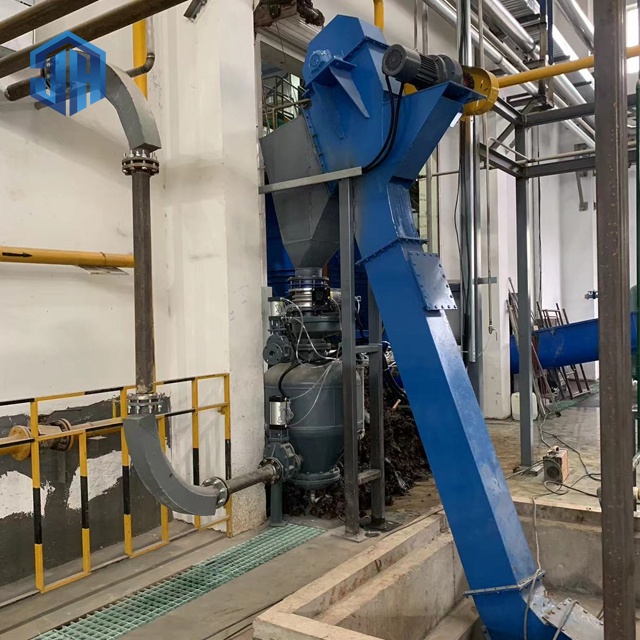
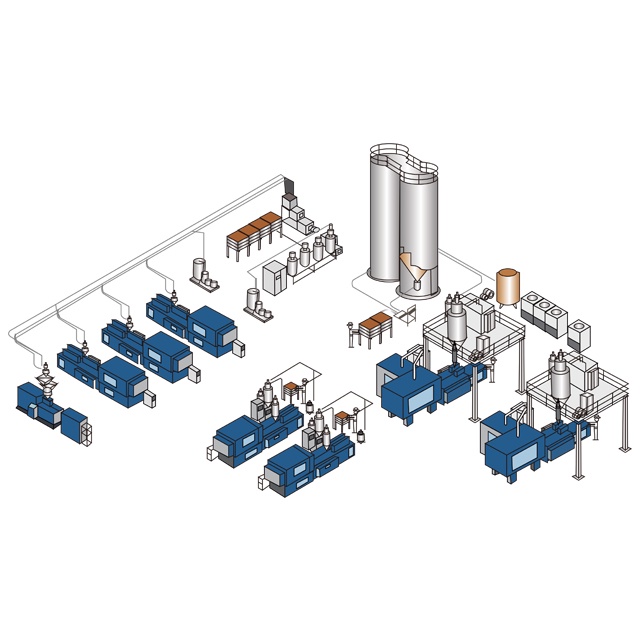
3. Mainly includes:
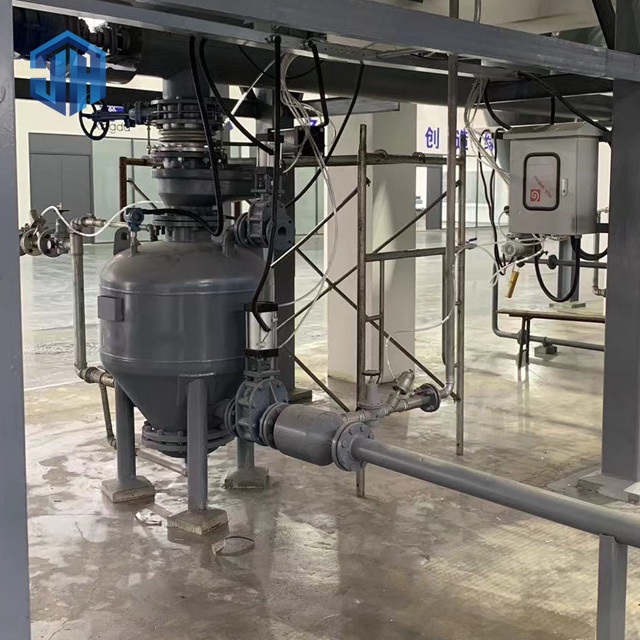
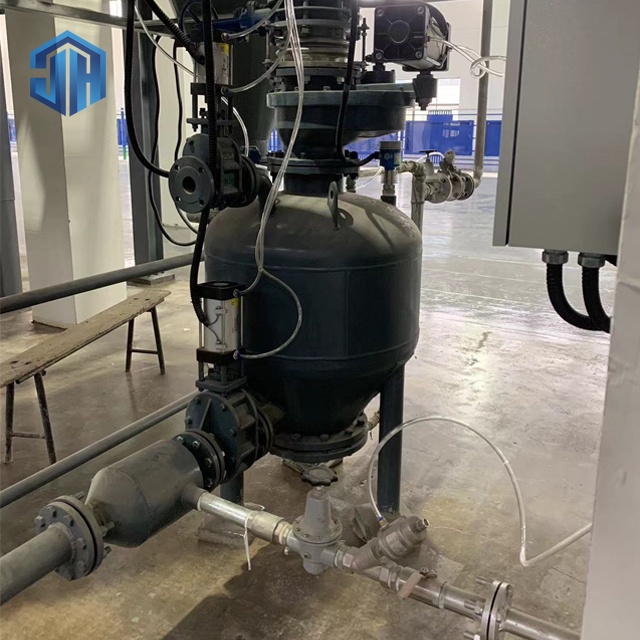
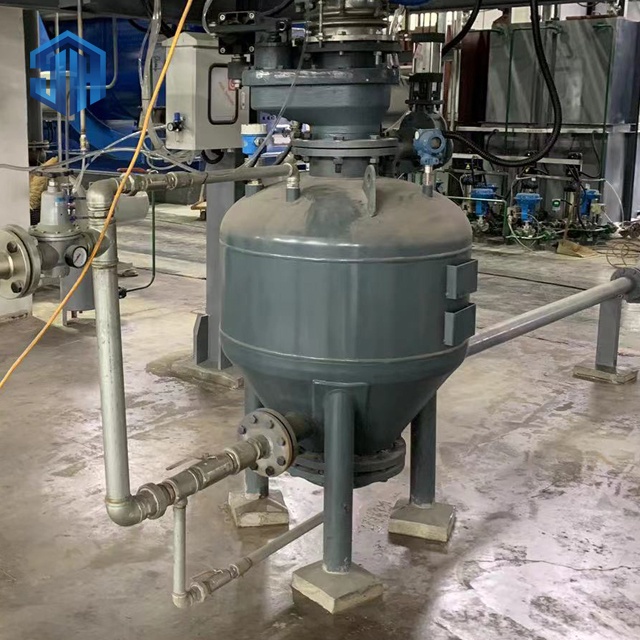
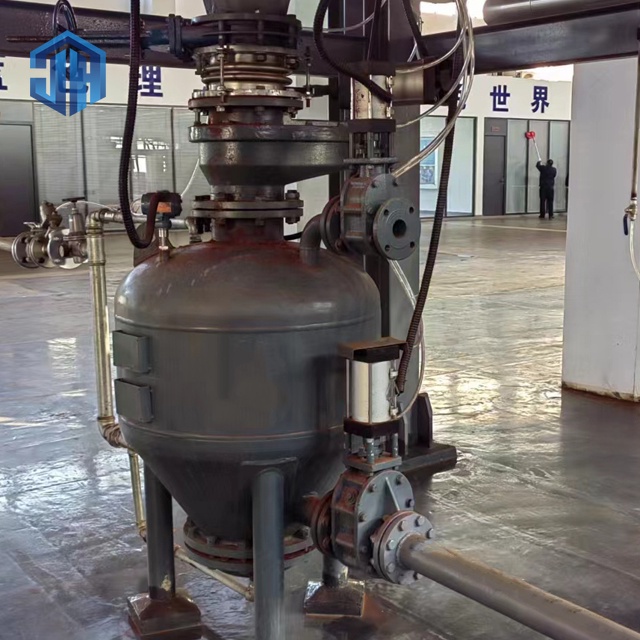
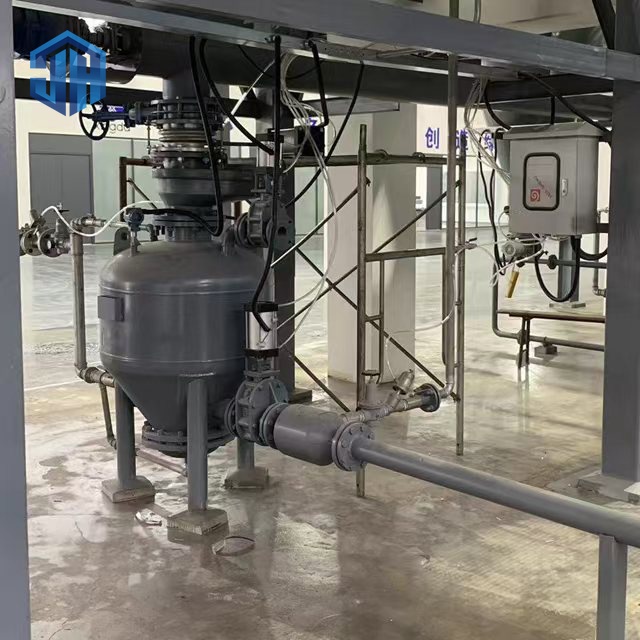
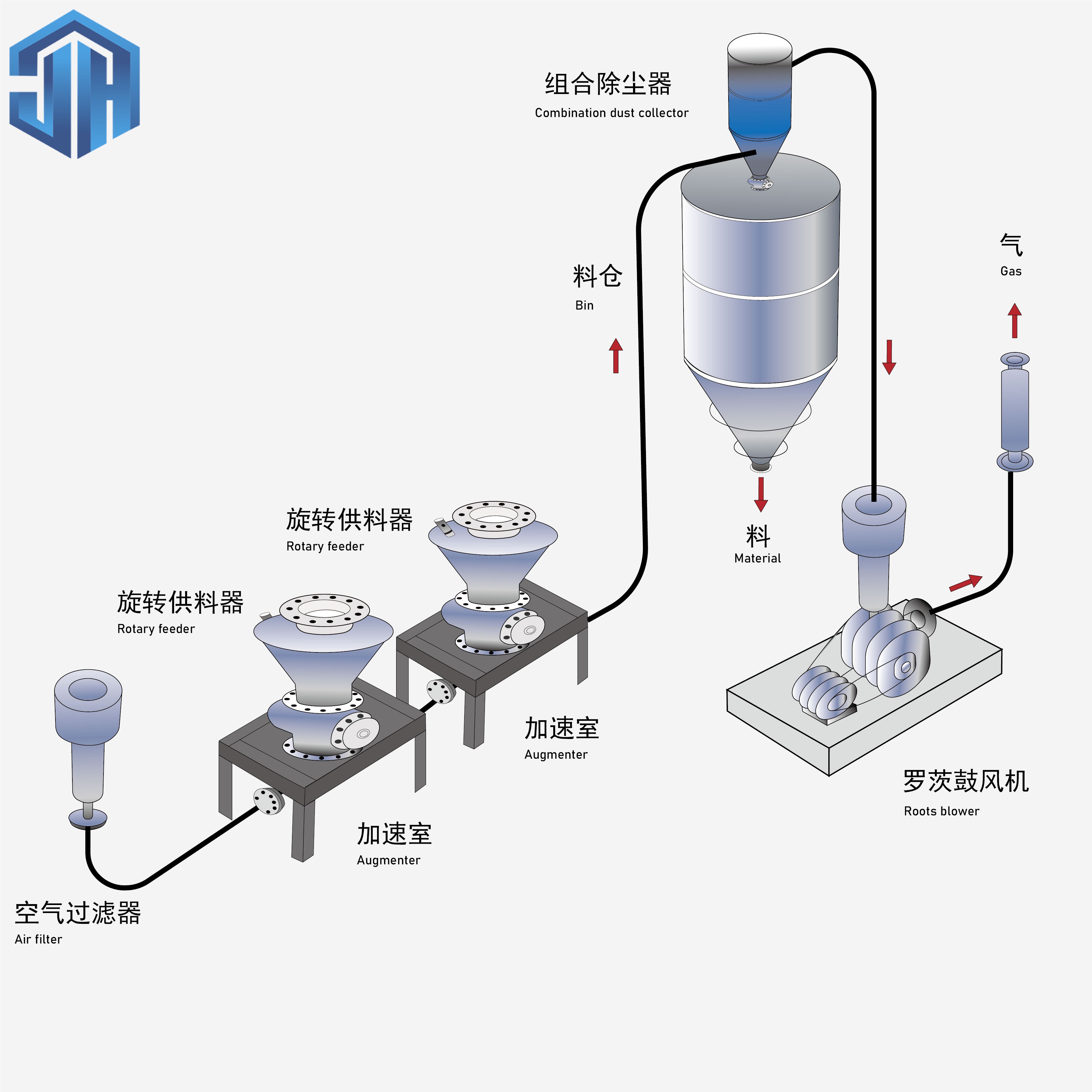
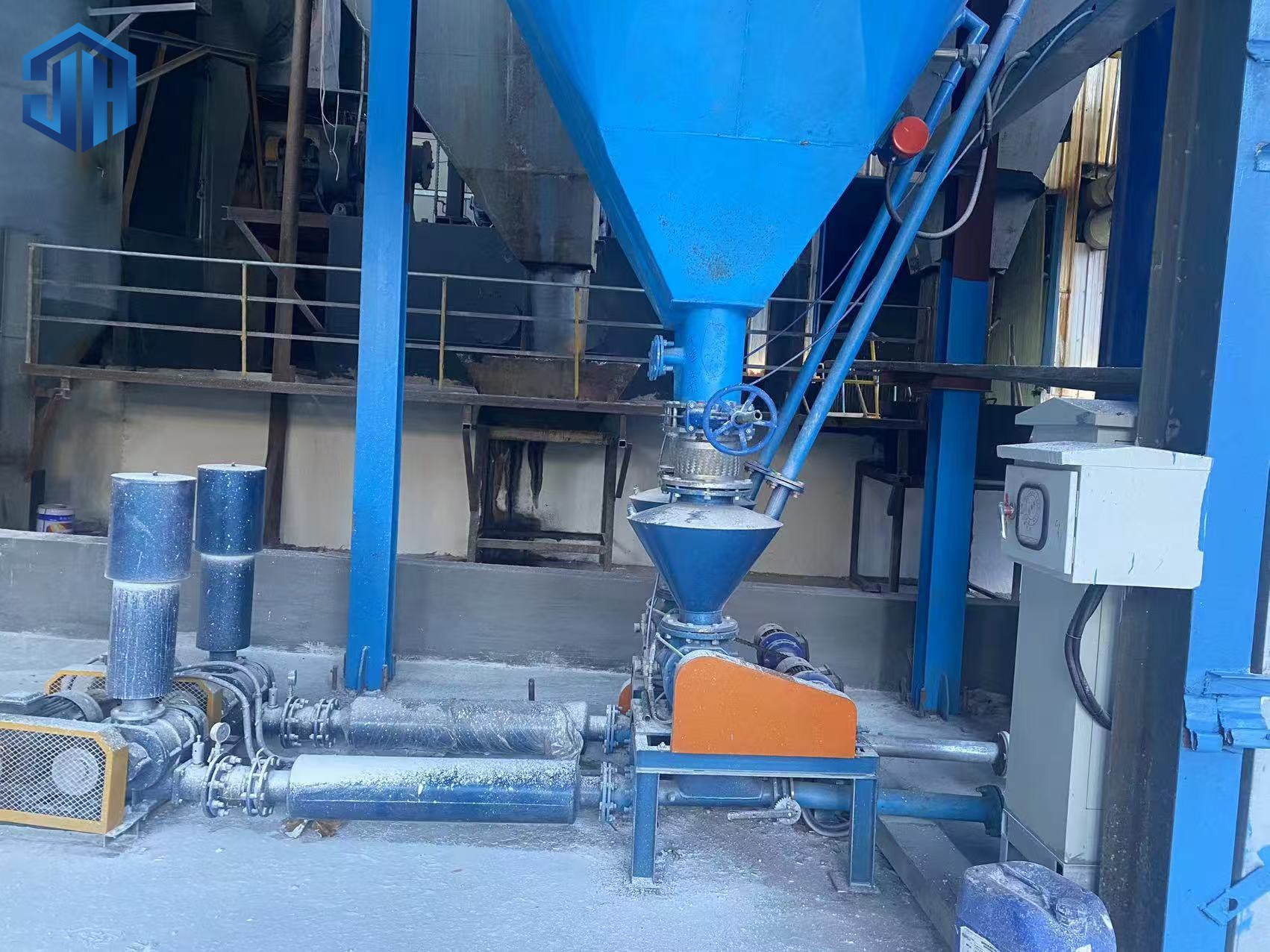
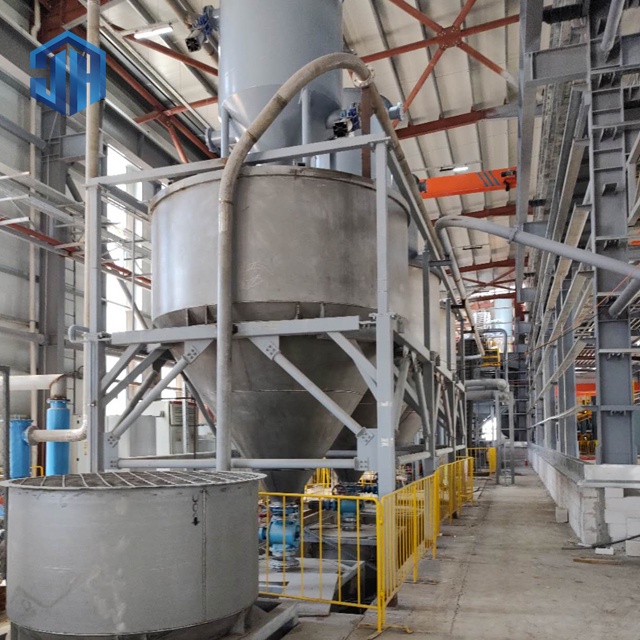
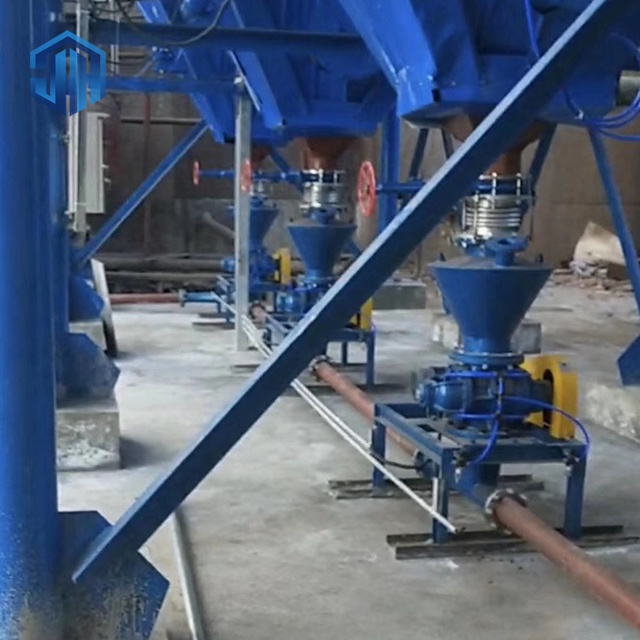
① Sending tank/bin pump: A pressure vessel used to store materials and push them into the conveying pipeline under pressurized conditions. It is the most commonly used sending device.
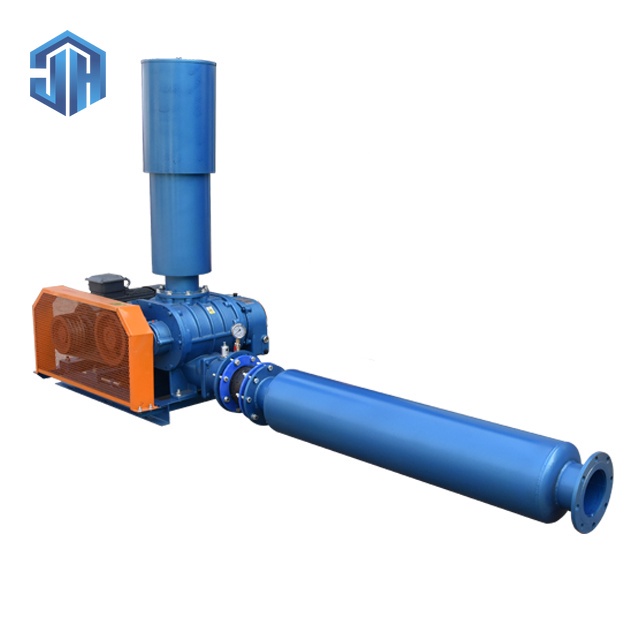
② Air source: Air compressor or fan, providing compressed gas.
③ Pipes and fittings: transmission pipelines, elbows, diverter valves, etc.
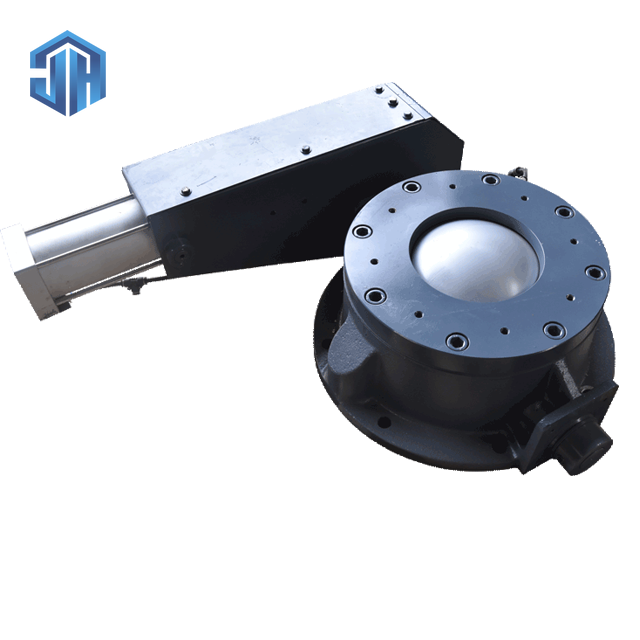
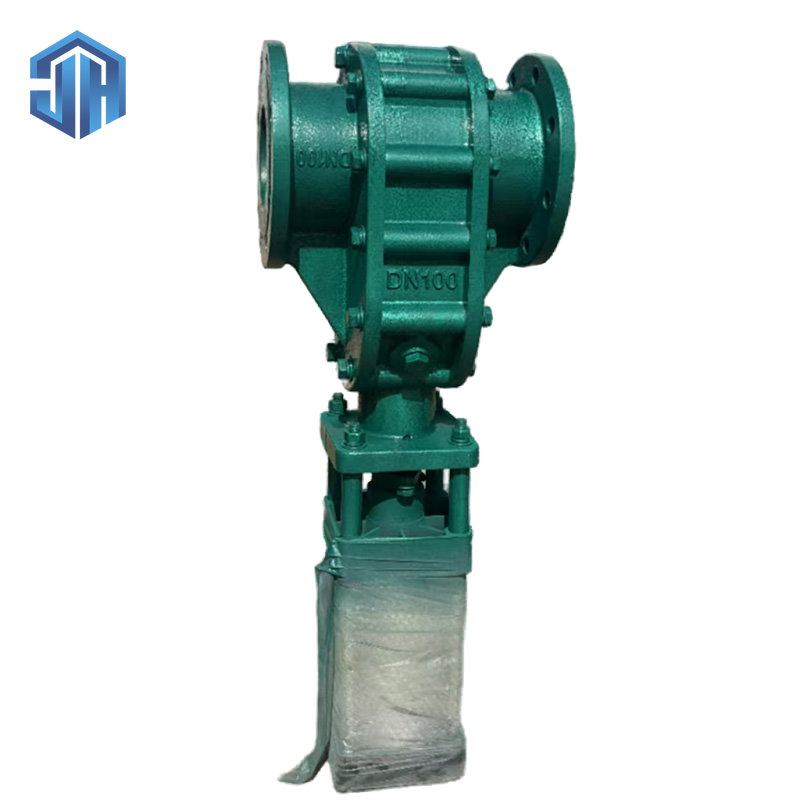
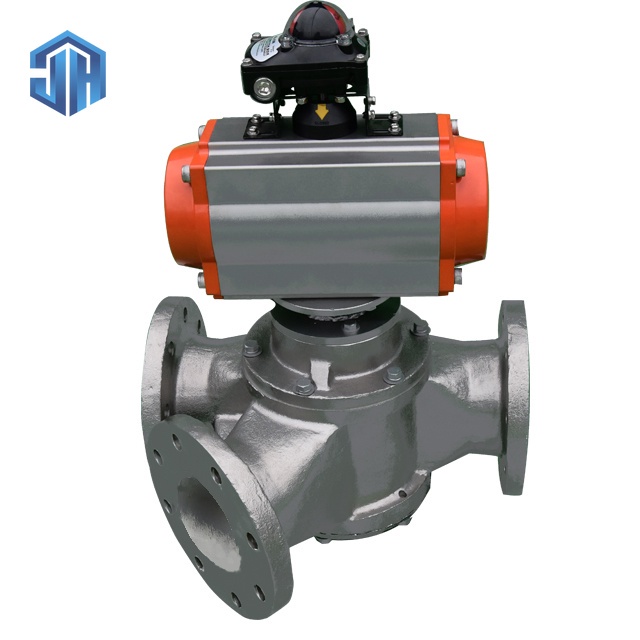
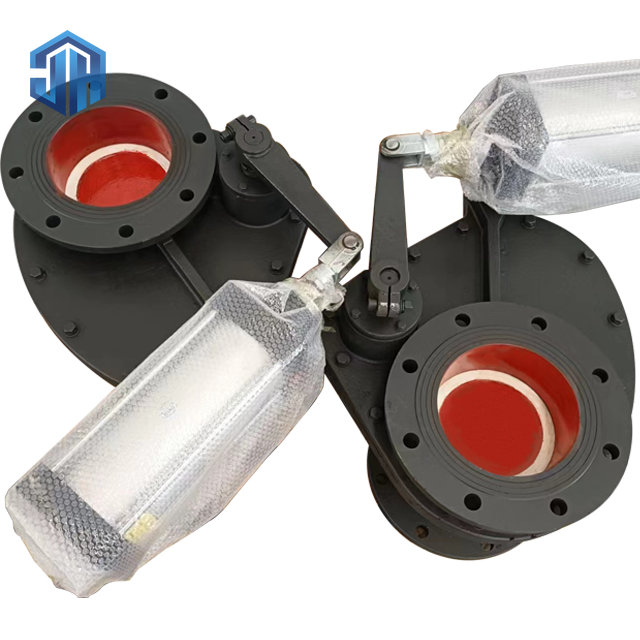
④ Control valves: intake valve, discharge valve, exhaust valve, pressure boost valve, etc., used to precisely control the timing of airflow and material flow.
⑤ Control system: PLC or DCS, used to automate the entire conveying process (pressurization, feeding, conveying, exhaust, purging, etc.).
⑥ Receiving device: silo, cyclone separator, bag filter, etc., used to receive materials and separate gases.
- Q : How can I get the price?A : We usually quote within 12 hours after we get your inquiry.
- Q : Can I buy samples? - Yes. Please feel free to contact us.A : Our MOQ: 1 SETS
- Q : What is your delivery time?A : It depends on the order quantity,as general with 15 days.
- Q : What is your payment term?A : T/T, CASH.L/C,Western Union, MoneyGram, and Paypal. This is negotiable.
Contact Us
If you have any cooperation intentions or product questions, please leave us a message!
We will get back to you as soon as possible!
Please give us a message